


Tagsight combines Engineering and AI to turn information from technical drawings into structured records and streamline complex industrial workflows.
Could you briefly introduce Tagsight and tell us how the idea for the company came about?
Tagsight is engineering document management and workflow automation software. It helps engineers turn information in drawings and technical documents into records they can review and use, without having to compile everything manually.
I wanted to work on a challenging problem where AI could help, but still struggled to produce the result people needed consistently. Conversations with electrical and process engineers brought me to the amount of time they spent extracting, checking and reconciling information across documents.
The information was often already there. Getting it into a usable, consistent form was still a considerable amount of work. That interested me both as a technical problem and as something worth building a business around. Experienced engineers were spending time on tasks that better software should help them complete much faster.
Who is behind Tagsight, and what experiences led you to focus on engineering data and industrial software?
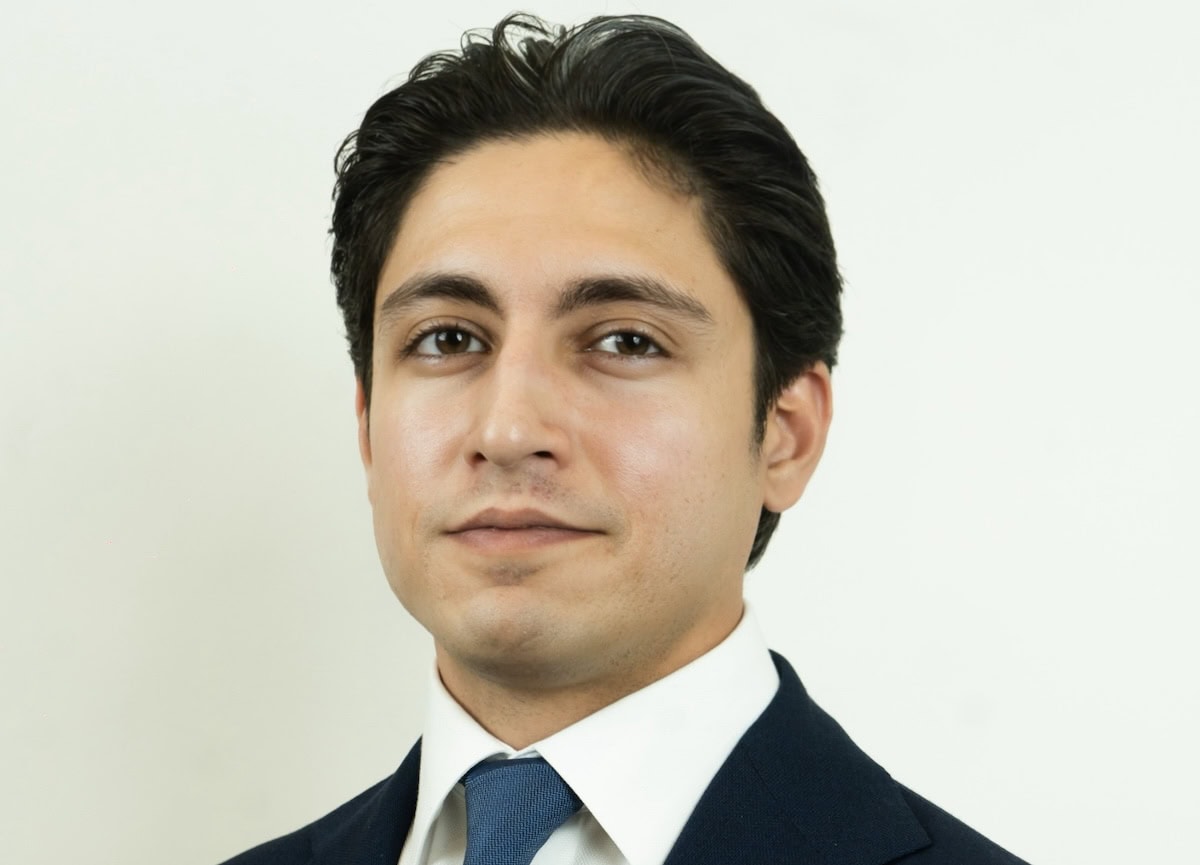
I’m Muaawia Jannat, founder of Tagsight, based in Calgary. I come from an entrepreneurial family and began building Tagsight while studying computational and applied mathematics at the University of Calgary.
I developed the platform myself, including the AI processing systems, the application and the cloud infrastructure. We have built the company without outside equity investment, and I still lead the product and technical development.
I work with advisors who bring more than 30 years of combined experience in electrical and process engineering. Their experience has been important in understanding what engineers need from the software, including details that would not be obvious from studying the documents alone.
Alongside Tagsight, I work on algorithms and publish technical writing. My writing on engineering information has appeared in the UK’s Engineering Maintenance Solutions, and Calgary.tech recently featured the company.
Engineering teams often work with large amounts of information stored in technical drawings. What problems does this create in day-to-day engineering workflows?
A drawing may contain the information needed for several different tasks, but someone still has to locate it, organise it and put it into the right records. That might mean building an instrument index, preparing an equipment register or checking information against another document.
Revisions add another layer of work. A change on a drawing can affect several records, so someone needs to establish what changed and where that change needs to be carried through.
The burden is keeping all of that information consistent as a project progresses. Copying one item is straightforward. Doing it across a document set, retaining the context and checking subsequent changes takes a lot of skilled attention.
Tagsight turns information from industrial drawings into structured records that engineering teams can review and use. How does this process work in practice?
An engineer uploads a drawing set into a workspace. Tagsight extracts the relevant information and organises it into engineering records.
For a piping and instrumentation diagram, those records can include an instrument index, an I/O list and an equipment register. The engineer can inspect the extracted information alongside the original drawing, check where an entry came from and make corrections.
The reviewed records can then be exported to Excel or supported engineering formats.
Instead of starting with an empty spreadsheet, the engineer starts with prepared information and the source available for checking. The aim is to make that information useful in the next task, rather than simply produce a summary of the drawing.
AI is becoming increasingly common in engineering software. Where does AI create the greatest value within Tagsight, and where is human verification still essential?
AI is most useful in the detailed preparation work: identifying information in drawings, organising it and reducing the amount that has to be entered by hand.
The engineer still needs to determine whether that information is correct, complete and suitable for its intended use. Recognising a component on a drawing does not amount to approving an engineering decision.
Keeping that review step does not give the software a pass on accuracy. It still needs to produce useful work and save time once checking and corrections are included. Otherwise, we have only moved the effort from one task to another.
Engineering data can be highly sensitive and errors can have significant consequences. How do you approach accuracy, security and reliability?
These documents can relate to infrastructure where a mistake has consequences for equipment and people’s safety. We do not treat an AI-generated record as an approved engineering deliverable.
The extracted information needs to remain traceable to its source, open to correction and subject to engineering review before it is relied on. Different drawing styles and document quality also create different challenges, so reliability has to be considered across the kinds of documents people actually work with.
On confidentiality, we do not train models on customer engineering data. Those documents can contain years of proprietary work. Protecting that intellectual property is fundamental to the relationship we want with engineering firms. Using our software should help them make better use of their information while leaving their expertise and intellectual property theirs.
Tagsight has users on its evaluation plan across more than 30 countries. How many companies are actively using the platform today, and how many of them are paying customers?
We have more than 100 people on Tagsight’s evaluation plan across more than 30 countries.
We have recently started ramping up the commercial side of the business and are keeping active-company and paying-customer figures private at this stage.
We are in early discussions with a few engineering, procurement and construction firms in Canada and the United States, and we recently demonstrated Tagsight to a major EPC in Taiwan. We are also seeing interest from Europe, particularly the Netherlands and Germany.
That international interest has been encouraging at this stage of the company. Our focus now is on growing commercial adoption.
You decided to address a highly specialized industrial market rather than build a broad AI product. Why did you choose this particular niche?
I was interested in work that still required substantial technical development, even with capable AI models available.
Engineering drawings are a good example. A model might recognise a label but associate it with the wrong item, or handle one drawing well and miss important information on another. The task requires understanding symbols, text and relationships, then producing records that an engineer can actually use.
That gap between what AI can attempt and what the work requires is what interested me. There is a difficult problem to solve, and a clear reason to solve it: engineering firms are already spending considerable time doing the work manually.
It also serves companies of different sizes. A small specialist firm with decades of experience can benefit from better tools just as a large EPC can.
Industrial companies often rely on established systems and workflows. What is the biggest challenge when convincing engineering teams to adopt a new software solution?
The biggest challenge is demonstrating value on their own work.
A team needs to see how the software handles its documents, how much checking is required and whether the result fits the tools and deliverables it already uses. Those questions matter more than a demonstration on a carefully selected example.
I also do not expect a firm to change its whole process around our product. Established workflows often reflect years of experience and accountability. We need to understand those processes and show where Tagsight can remove effort without creating unnecessary disruption or taking control away from the engineer.
Building internationally from Canada gives Tagsight access to a global market from an early stage. Which regions or industries currently offer the greatest opportunities for growth?
North America and Europe are both important to us. We are having early conversations with EPCs in Canada and the United States, and the interest from the Netherlands and Germany makes Europe an important part of our commercial outlook as well.
Our focus is on electrical, process and controls engineering, including both specialist firms and larger EPCs. That includes work on new infrastructure and existing facilities, where drawing archives and successive revisions can involve substantial document reconciliation.
Data centres are another area of interest because of the electrical and supporting infrastructure involved. We see an opportunity to support the engineering firms delivering those projects.
The company is based in Calgary, but we are building for an international engineering market.
What is your long-term vision for Tagsight, and what are the next major milestones for the company?
I want Tagsight to become a standard part of how engineering firms manage their information and deliver projects.
A firm may have spent twenty years developing its expertise. Our role is to help it get more work done with that expertise by reducing the repetitive effort around documents and data.
The next milestones are to expand commercial adoption, improve processing speed and reliability, and support more of the documents and workflows engineers already use.
We do not intend to become an engineering services company ourselves. We build software for engineering firms so they can deliver their services better. Their engineering knowledge, client relationships and intellectual property remain theirs.
What are the three most important pieces of advice you would give to founders building AI-powered B2B software for specialized industries?
First, learn what the completed work needs to look like. Ask practitioners to show you the deliverable, the checks and the steps required to get there. That helps you understand what the product actually needs to accomplish.
Second, account for the person who is responsible for the result. Give them a practical way to inspect and correct the output. Measure whether you save them time across the whole task, including review.
Third, work with real inputs early. Different drawing styles, older scans and inconsistent information will reveal problems that clean examples do not. Those are the problems the product will have to handle in practice.
Image Muaawia Jannat, founder of Tagsight Technologies Inc., based in Calgary, Canada.
Image supplied courtesy of Tagsight Technologies Inc.
Thank you Muaawia Jannat for the Interview
Statements of the author and the interviewee do not necessarily represent the editors and the publisher opinion again.