

Prompt Director combines AI with a practical creative workflow, helping creators turn their ideas into images, videos, campaigns and other creative projects.
Alin, could you start by introducing yourself and telling us how your journey from working on construction sites in the UK eventually led you to become the founder of Prompt Director?
I am Alin Hoisan, a Romanian creator living in the UK. My path into this world did not begin in a startup office. It began on construction sites. I started as a labourer, then became a traffic marshal, supervisor and eventually an assistant manager. Those years taught me discipline, responsibility and what it means to keep showing up even when the work is hard.
At the same time, I always had ideas. I wanted to write, create music, make videos and build things, but I did not have a team, a big budget or a technical background. When I discovered generative AI, I realised that the distance between an idea and a finished project had become much smaller. I began learning every day after work and family time. Prompt Director grew out of that journey: it is the platform I wished had existed when I was trying to turn imagination into something real.
You describe opening ChatGPT in 2023 as a moment that changed everything for you. What happened after that first encounter with generative AI, and when did curiosity turn into the ambition to build something yourself?
At first, I opened ChatGPT simply out of curiosity. I wanted to understand what it could do. Very quickly, it became clear to me that this was not just another app. It could help a person learn faster, organise ideas, write, research, solve problems and create things that previously required several specialists.
Curiosity became ambition when I started finishing real projects. I wrote and published books on Amazon, even though they did not make money. Then I built BounceVoid, my mobile game, working on it before the gym and after work for almost a year. Each project proved the same thing: I did not need permission to begin. I needed patience, consistency and the willingness to learn. Once I saw that I could take an idea all the way to a public release, I stopped seeing AI only as a tool. I started seeing it as a bridge between having an idea and having the ability to build it.
What exactly is Prompt Director, and what problem are you trying to solve for creators with the platform?
Prompt Director is an AI creation platform designed to help people move from a rough idea to a clear creative result. It began as a professional prompt library, but it has grown into a wider studio for creating images, video concepts, storyboards, AI advertising ideas, music-related concepts and creative campaigns.
The problem I am trying to solve is simple: many people have strong ideas but feel blocked by the technical side of AI. They do not know how to write a useful prompt, which tool to choose, how to keep a visual style consistent or how to turn one thought into a complete piece of content. They end up jumping between websites and copying prompts without knowing why something works.
Prompt Director gives them a clearer path. It combines ready-to-use professional prompts, visual prompt-building tools and direct creation features in one place, including Romanian-language support. The goal is not to make everybody a prompt engineer. It is to help more people express what they already have in their heads.
How does Prompt Director work in practice? If a creator comes to the platform with just an initial idea, what can they create and what does the process look like?
A creator can begin with something very simple: a product, a song, a character, a mood or even one sentence. From there, Prompt Director helps turn that starting point into a structured creative direction. They can use the prompt library, a visual prompt builder or dedicated tools for storyboards, AI ads and directing scenes.
For example, someone with a product idea can create a cinematic image concept, develop it into a short video sequence, build a storyboard and write the creative prompt needed for generation. A musician can shape cover art ideas, visual scenes and campaign content around a release. A small business can build a clearer AI advertising concept without needing an agency for every first draft.
The platform is made to reduce the friction between the first idea and the first usable result. It does not replace taste or imagination. It gives creators a practical structure so they can spend more time developing their idea and less time fighting with the tools.
There are already numerous AI tools for generating images, videos, music and marketing content. What makes Prompt Director different from using several individual AI tools separately?
The individual tools are powerful, but using them separately can be confusing, especially for someone who is new to AI creation. You might have an image generator open in one tab, a video generator in another, a prompt document somewhere else and no consistent system connecting them.
Prompt Director is built around the creative workflow, not just around one model. It gives users direction before generation: structured prompts, visual builders, storyboards, AI advertising formats and creative guidance that help an idea stay coherent from one stage to the next. The platform also brings those parts together in a simpler environment, with a focus on practical use rather than technical language.
I built it from the perspective of someone who actually creates music videos, visual campaigns and content every day. I know that the hard part is often not pressing Generate. It is knowing what to create next, how to describe it and how to make all the pieces feel like they belong to the same project.
Who is Prompt Director primarily designed for, and which types of creators or businesses do you believe can benefit most from the platform?
Prompt Director is for independent creators first: musicians, content creators, filmmakers, designers, writers, photographers, social media creators and people who have an idea but do not yet have a production team. It is also useful for small businesses that want to create more original visual content, product concepts, short-form ads or social campaigns without having to start from zero every time.
I especially care about people who may feel outside the traditional creative or technology world. You do not need to come from a design agency, a software company or an art school to have a powerful idea. Many people have creativity, life experience and stories, but they need a more accessible way to bring them to life.
For experienced creators, the platform can save time and help organise a workflow. For beginners, it can remove the fear of the blank page. In both cases, the purpose is the same: make AI creation feel more understandable, more practical and more human.
You built Prompt Director without coming from a traditional technology or startup background. How did you acquire the skills necessary to turn your idea into a working platform, and what were the biggest challenges along the way?
For me, learning came through building. I used AI as a learning partner, but I did not expect it to do the work for me. I spent countless hours testing, researching, watching tutorials, asking questions, breaking things and trying again. Every project taught me something different: publishing books taught me how to finish; BounceVoid taught me product thinking and persistence; music and video work taught me creative direction; Prompt Director brought all of those lessons together.
The biggest challenge was not one technical problem. It was carrying a big idea while still working, looking after my family and doing almost everything alone. There were moments when I did not know what the right next step was, when something did not work and when it would have been easier to stop.
But not coming from a traditional background also gave me a useful perspective. I build for people like me: people who want to create but do not speak in technical terms. My goal has always been to make complicated things feel more possible.
What is the business model behind Prompt Director, and how do you plan to turn the platform into a sustainable company?
Prompt Director currently uses a simple one-time lifetime-access model. I wanted the entry point to feel fair and accessible, especially for independent creators who are already paying for several AI services. The platform is designed to give value through a growing prompt library, creative tools, visual builders and a more connected creation workflow.
Long term, sustainability will come from continuing to improve the product around real creator needs: useful features, reliable generation workflows, premium tools where they genuinely save time, and partnerships or services that fit the platform naturally. I do not want to build a business that depends on keeping users confused or locked in. I want people to stay because Prompt Director helps them make better work.
At this early stage, I am realistic. The focus right now is product quality, trust and listening carefully to how users create. If I build something people return to because it removes friction from their creative life, the business model can grow in a healthy way around that value.
What stage is Prompt Director currently at in terms of users, traction and product development, and what kind of feedback have you received so far?
Prompt Director is live and still developing quickly. It has grown far beyond the first prompt-library idea and now includes more than 260 professional prompts, visual prompt-building tools, storyboards, AI Ads, AI Director, AI Beats and direct image and video creation tools. I keep improving it from real use, because I am also one of the people using it every day in my own creative work.
I prefer to be honest about the stage: this is an independent, bootstrapped product, not a company claiming huge numbers before they exist. The most meaningful traction for me is that people understand the purpose immediately: they want a clearer, less intimidating way to work with AI. The feedback I value most is when a creator says, “I finally know how to start,” or when a feature saves them from losing hours between different tools.
The product is not finished, and that is exciting. I see it as a living platform that becomes stronger as more creators show me where the real obstacles are.
You also created the AI music artist Selyna Turcu and developed projects such as BounceVoid. What did these experiments teach you about AI-driven creativity, and how have they influenced Prompt Director?
Selyna Turcu and BounceVoid taught me that AI is most powerful when it helps a person finish a complete vision, not just generate isolated pieces. With Selyna, I created the artist identity, music, production, visuals, videos, lip-sync content and social storytelling. The project has now generated more than 30 million organic views across TikTok and Facebook, with no advertising spend. That showed me that AI-made work can still connect emotionally when there is real creative direction behind it.
BounceVoid taught me a different lesson: building something alone requires patience, testing and a willingness to improve the small details nobody sees. I spent around a year on it, often working in the small hours around my job and family life.
Both projects shaped Prompt Director. They showed me that people do not only need a generator. They need a process: how to begin, how to develop an idea, how to keep it consistent and how to turn it into something they are proud to release publicly.
Generative AI is rapidly changing the creative industries while also raising questions around copyright, originality and human creativity. How do you see this development, and how do you address these issues with Prompt Director?
I understand why people have concerns. AI is moving quickly, and creative work is personal. Questions about copyright, consent, training data and attribution deserve serious attention, not just marketing answers. We need clearer rules, responsible platforms and respect for the people whose work and identities are involved.
At the same time, I do not believe AI removes human creativity. A tool can generate options, but it cannot replace the life experience, taste, decisions and emotional intention of the person using it. The difference is visible when someone simply presses a button compared with when someone directs a project from beginning to end.
With Prompt Director, my approach is to make the creative process more intentional. The platform is built to help users develop their own ideas and describe their own vision, rather than copy somebody else’s identity or work. I also believe transparency matters. With Selyna Turcu, for example, I have been open that she is an AI artist. Honesty is important if this new creative space is going to earn trust.
Where would you like Prompt Director to be in the next three to five years, and what is your long-term vision for the company?
In the next three to five years, I want Prompt Director to become a trusted creative home for people who have ideas but do not yet have a full team, technical background or large budget. I would like it to be known not only as a place for prompts, but as a practical studio where someone can shape an idea into images, videos, campaigns, stories and new creative projects.
I also want to keep the platform accessible. My own story is proof that talent and ambition do not always arrive with the traditional opportunities around them. A person can come from construction, retail, parenting, music or any other walk of life and still build something meaningful when the right tools and guidance exist.
The long-term vision is bigger than one feature or one AI model. I want Prompt Director to help creators keep their voice while technology changes around them. If it gives someone the confidence to start, the structure to improve and the tools to finish, then it is doing what I built it for.
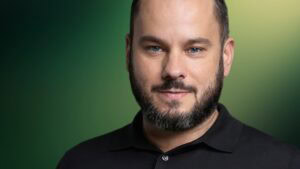
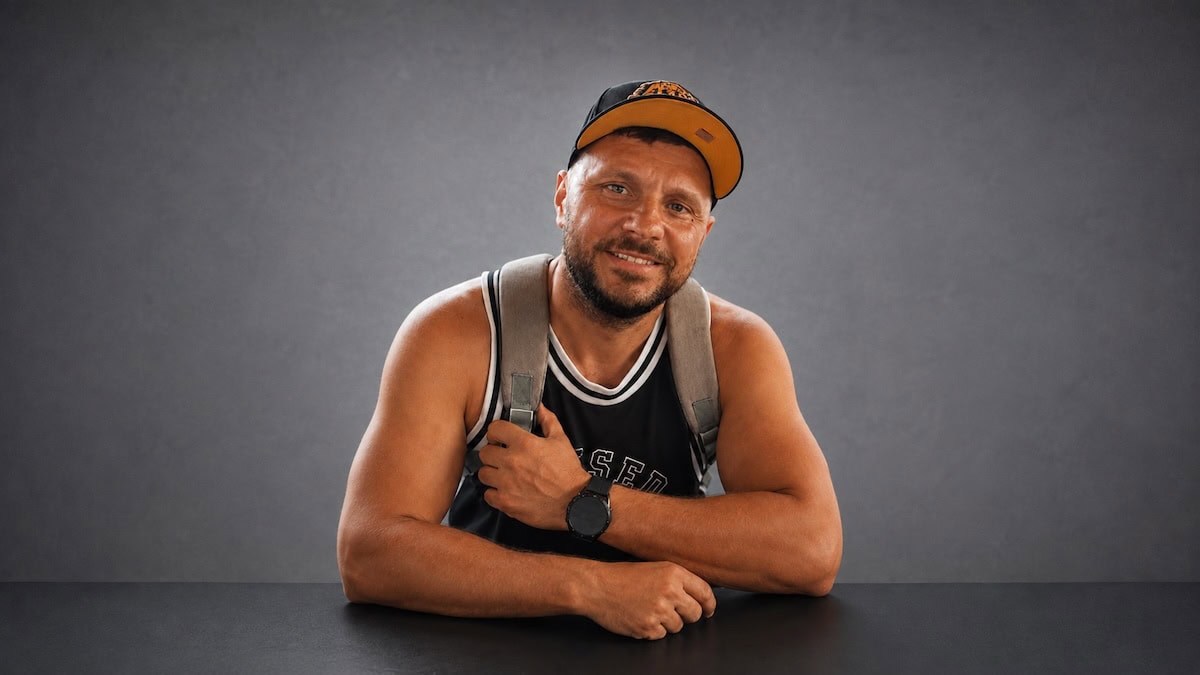
Picture credit: Ionut Alin Hoisan, AI-assisted portrait based on my own original photo
Thank you Alin Hoisan for the Interview
Statements of the author and the interviewee do not necessarily represent the editors and the publisher opinion again.